
From Rough to Brilliant by Ritisha
February 9, 2026
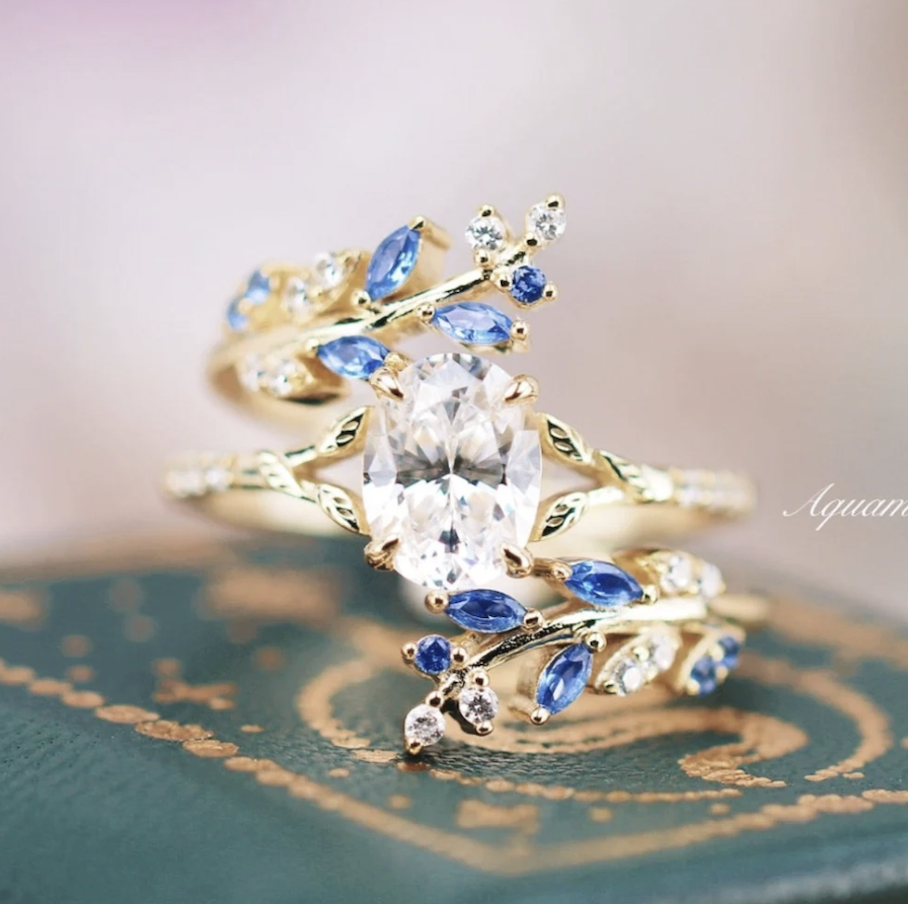
Writing is a lot like extracting a diamond “from the rough” and turning it into something valuable and beautiful.
At first, a diamond is hidden deep in the ground, plain and unremarkable. This stage is like brainstorming and drafting in writing. When I begin an essay, my ideas are rough and messy, just like a craggy, uncut diamond. I dig through my thoughts, pulling ideas from my mind the same way miners trawl diamonds from the earth.
At this point, my writing may not shine, but it has potential to.
Next comes analyzing and marking, which is similar to rereading my draft and planning revisions. Diamond cutters study the rough diamond carefully to decide the best way to cut it, just like I reread my writing to figure out what works and what doesn’t. I look at my ideas, organization, and details, deciding what to keep, change, or remove. This stage is important because one wrong cut—or one bad revision—can weaken the final result which would devalue the diamond and darken my writing.
After that, diamonds go through sawing and blocking, where their basic shape and facets are formed. This is like revising and restructuring my draft. I might cut out unnecessary sentences, move paragraphs around, or rewrite parts that don’t fit. Sometimes it feels painful to remove parts I like, but just as sawing gives the diamond its shape, revising gives my writing structure and clarity.
Finally, polishing is what makes a diamond sparkle, and editing does the same for writing. This is when I fix grammar, spelling, and word choice to make my essay smooth and powerful. Polishing doesn’t change the diamond’s shape, just like editing doesn’t change my ideas; in contrast it makes everything radiate through its beauty.
In the end, both diamonds and writing become valuable through patience, careful work, and attention to detail. Without all these stages, neither one would ever reach its true brilliance.
