
A Legacy Cut Short by Charlie
February 12, 2026
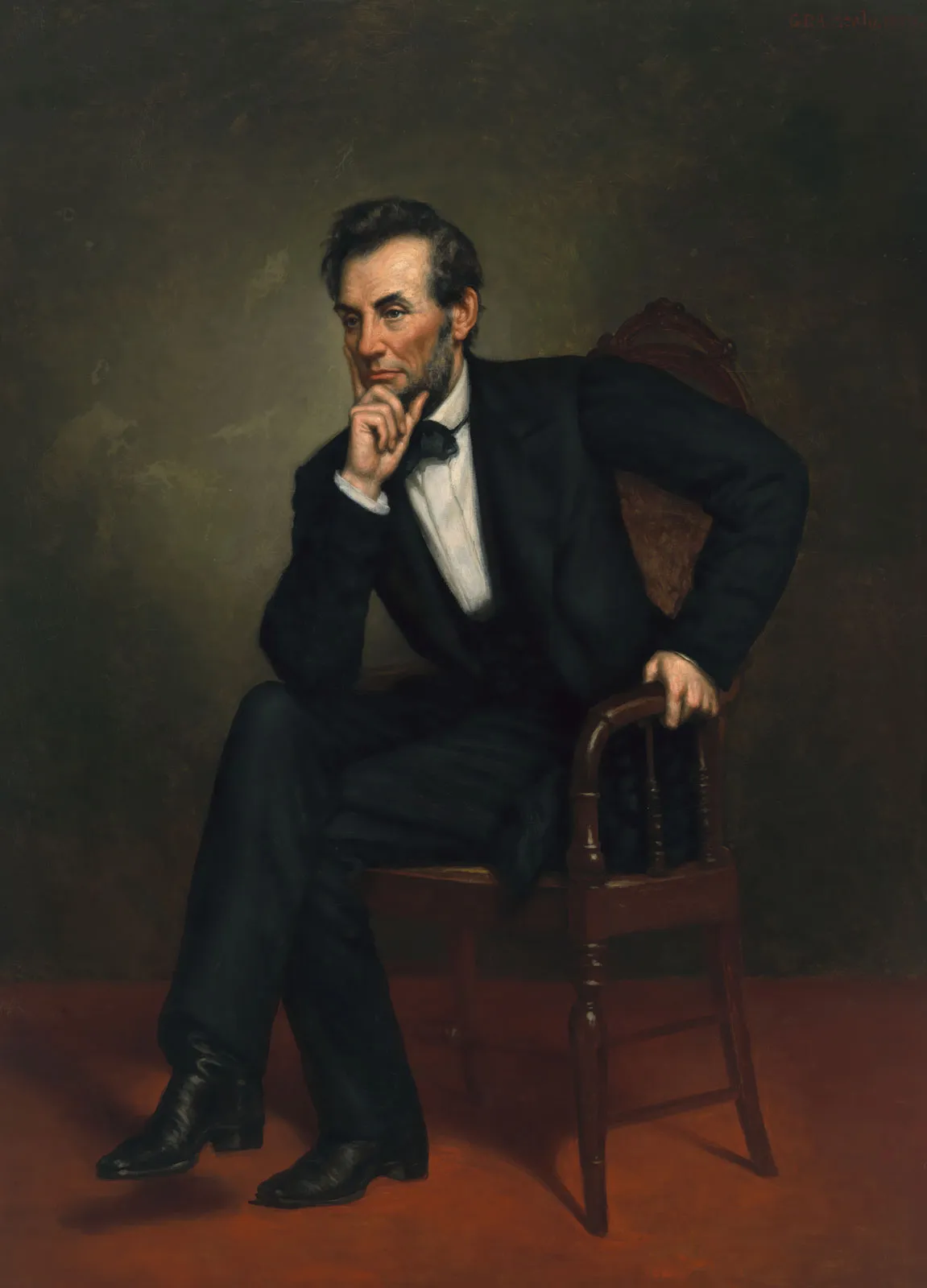
You’ve all heard about Abraham Lincoln. Whether it was from his leadership in the American Civil War or his presidency, everyone generally knows about the life and legacy of this unforgettable man. However, few know the specifics about his character, his amiable personality, some of his biggest achievements, and his many overcome challenges.
While most have heard the saying “Honest Abe,” this is just the surface of Lincoln’s personal characteristics and traits. Not only his honesty, but Lincoln is known for his empathy, humility, perseverance, courage, and leadership. One might think that with all these virtuous traits, he was a very religious man. Despite attending Presbyterian services, Lincoln interestingly never joined any church. However, this did not stop him from having top attributes.
People who knew Lincoln well especially noticed these traits. Abraham Lincoln’s Secretary of State, William H. Seward, praised him: “He was one of those rare men who could calmly endure the wear and tear of the most trying hours, and who could, when the need arose, assume a power and energy that could sustain the government through its most critical trials.”
In his legal career, he was particularly noted for his shrewdness and practical common sense. Paired with his honesty and fairness, Lincoln might have just been the greatest lawyer of all time. This conclusion can be further backed by some of his achievements as a lawyer.
He first passed the bar examination in 1836. Being the largest fee of his legal career, Lincoln received $5,000 after defending a company against property tax efforts. This is around $190,000 in today’s money. His arguably most famous case was the Duff Armstrong trial. Lincoln proved that the evidence provided showing his defendant to be a murderer was false. While some of today’s lawyers have won more than a thousand times of Lincoln’s biggest attorney fee, none possess the traits of Honest Abe.
After achieving more than some ever will in their lifetime, this already exemplary character went on to complete the small task of winning the presidency twice, leading America through the Civil War, and fighting for freedom, unity, and equality.
Lincoln’s life was not always easy. He overcame many early struggles and complications that only strengthened his character. Coming from humble beginnings, Lincoln was born in a small backwoods cabin. Later in his youth, his father’s farm title was challenged, forcing them to move to Illinois. From losing his home to running the greatest country in the world twice, one could say that Lincoln overcame much.
Despite coming from a barely literate family, Lincoln took much of his education upon himself and learned to read. This type of diligence can’t be found in today’s world. With this combination of a gift, skill, and love for the art, he would later go on to pen the arguably greatest piece of writing of all time—the Gettysburg Address.
While I could spend time discussing how I admire Lincoln, that would essentially be a repeat of all the preceding text. I admire the majority of his work and overall character. However, there are a select few things Lincoln did that inspire me. The first being his use of honesty. Not just that he was honest, but that he was an honest lawyer and politician—characteristics that are unfortunately rare in today’s world. Like the path described in the famous poem by Robert Frost, Lincoln was on the road not taken.
Additionally, Lincoln fought for freedom. Even though he was not up in arms fighting in the trenches, through his leadership, he fought one of the most important wars in the world for freedom, unity, and equality. Abraham Lincoln was one of the most influential and admirable people in the world because of his values, traits, personality, and legacy. A legacy that was unfortunately cut short.
However, as Andrew Johnson, Lincoln’s Vice President and Successor, said: “Abraham Lincoln, though dead, will be still the guiding star of American Liberty.” Lincoln is the perfect example of how a person’s legacy is often more powerful than their actual time on earth. While he was not immensely popular or highly thought of in his time, his admirers, even if few, have multiplied over the years.
