
Polluted Minds by Tanisha
February 25, 2026
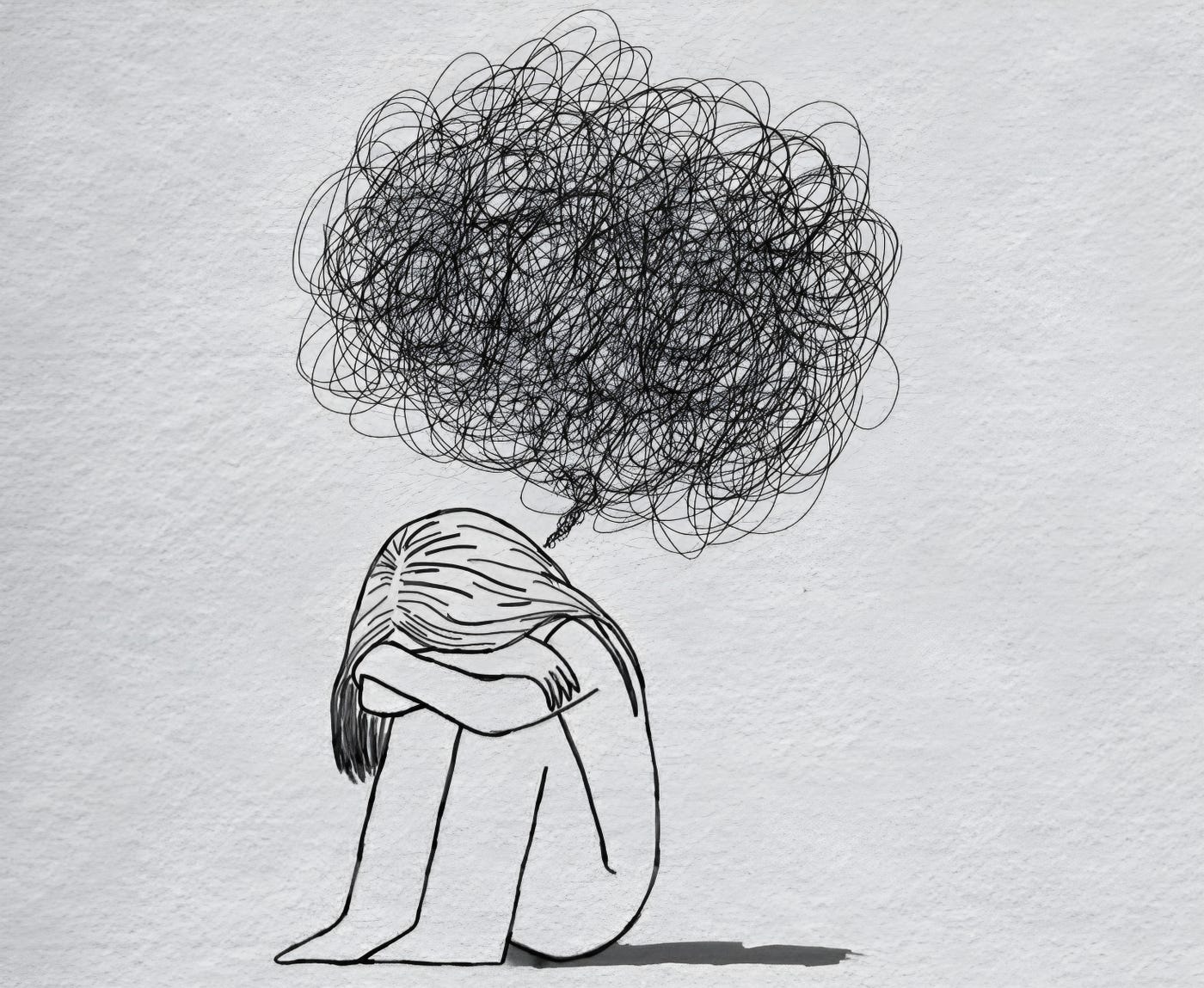
Overthinking can be caused by traumatic experiences or can grow gradually over time.
Experiencing a problem of low self-esteem due to how people view me, hoping these thoughts would help me become a better version of myself. However, I kept downgrading and discriminating myself to other people.
Overthinking lowers your self-esteem
I’ve spent countless hours considering how others perceive me. Turning my own thoughts against me, I hoped the judgements would nourish me to be a seamless picture. This overthinking wasn’t beneficial.
On one occasion, I was reviewing for a critical test, praying to get a perfect score. I felt astonished even pleased because I got a low ninety, however my friend got a hundred. My mind disintegrated when my friend gloated about not studying. I pondered my abilities to my friend and felt self-doubt.
An online article by Sober Reference stated that, “25% of people will make a plan but never follow through. Allowing yourself to overthink will rob you of your potential.”
In CNBC article Adele shared, “It was very disconnected from me and my band, and it lacked intimacy … and maybe I tried too hard to give it those things in such a controlled environment.” (Adele shared the ‘worst moment’ of her career so far—and what it taught her: ‘It was devastating’).
Overthinking can complicate social experiences
Overthinking can cause miscommunication in relationships. Misinterpreting the message of the person causes mental instability and an unbearable amount of stress.
I’ve experienced these kinds of situations which clouded over me; I didn’t know my steps in the future and dreaded my friends would be more prosperous than me. I tried cutting them off, but imagining myself in an empty cold space with no one there genuinely bothered me.
A friend that values me is one of the best traits in a friend.
Whenever I’m with a friend, I usually think they like me and want be my friend because they’re talking to me and giving their time. However, once another friend arrives, I believe they favor their friend over me. In the moment it seems a minor thing to fuss about, but eventually the storm will swallow you up completely and end friendships. What if they don’t like the person they’re talking to and are simply forcing themselves to. We can’t jump to conclusions so quickly if we don’t know the whole story.
A website called, “Thought Method” states, “Unsurprisingly, social interactions were the primary trigger for both overthinking and rumination. Common social interactions reported included dating, making appointments, not wanting to offend others, and wondering what people meant by what they said.”
On “Pennsylvania Psychiatric Institution” Simone Biles said, “It’s really important to use that support system and know they’re there for you and not against you, because at the end of the day, us as humans, we hate asking for help,” Biles said. “We think we can do it on our own, but sometimes we just can’t. So, use every outlet given to you.”
Overthinking can be coped with in different ways
Managing from a dusted mind is difficult. Curing yourself from it is more challenging; it can be hard to get back up. I’ve suffered vulnerability and self-loathing in every segment of me. Miserable as I was, I kept all my secrets in my journal, which relieved me of feeling overwhelmed by anxiety.
People that I’ve shared my sorrow with have chanted, “Take deep breaths and count to five.” It was useless. The frustration banged in my head. A person can have specific needs and advice about how to live their life can help them. But hearing the advice at a continuous rhythm, someone spitting out a solution thinking it’ll quickly help me, is all overwhelming.
The report called, “Three Reasons Why People Handle Stress Differently” articulates, “Differences in temperament and a collection of inborn personality traits can cause some people to be naturally more resilient in the face of stress while others can feel more threatened and less able to cope.”
In an interview, Jennifer Aniston speaks, “InStyle’s Laura Brown asked The Morning Show actress what she eats when she’s stressed and Jen shared: ‘A chip. Crunch, crunch, crunch.’ When asked for just one chip, Jen confirmed her dedication to health. ‘Usually,’ she said. ‘I’m good at that. I can have one M&M, one chip. I know, that’s so annoying.’”
A cut in skin turns into a scar, a reminder that everything can heal even in polluted minds.
